Recipes
The first time I cooked a steak straight on the coals, someone at the fire told me I had ruined it. Then they ate it. Cooking meat directly on embers, with nothing between the beef and the fire, is old, it is simple, and it produces a crust that no grill or pan can match.
It works because embers are hotter than any grill surface and because the meat is in direct contact with the heat on every point of its surface at once. The result is an even, deep, almost black crust with a pink centre, and a smokiness that comes from the fat rendering straight into the fire beneath it.
It also does not taste of ash, which is the question everyone asks. Done right, you will not find a single flake of it on the plate. Here is how.
Thickness is everything. A thin steak on embers is charcoal in ninety seconds. You want at least 4cm, and 5cm is better.
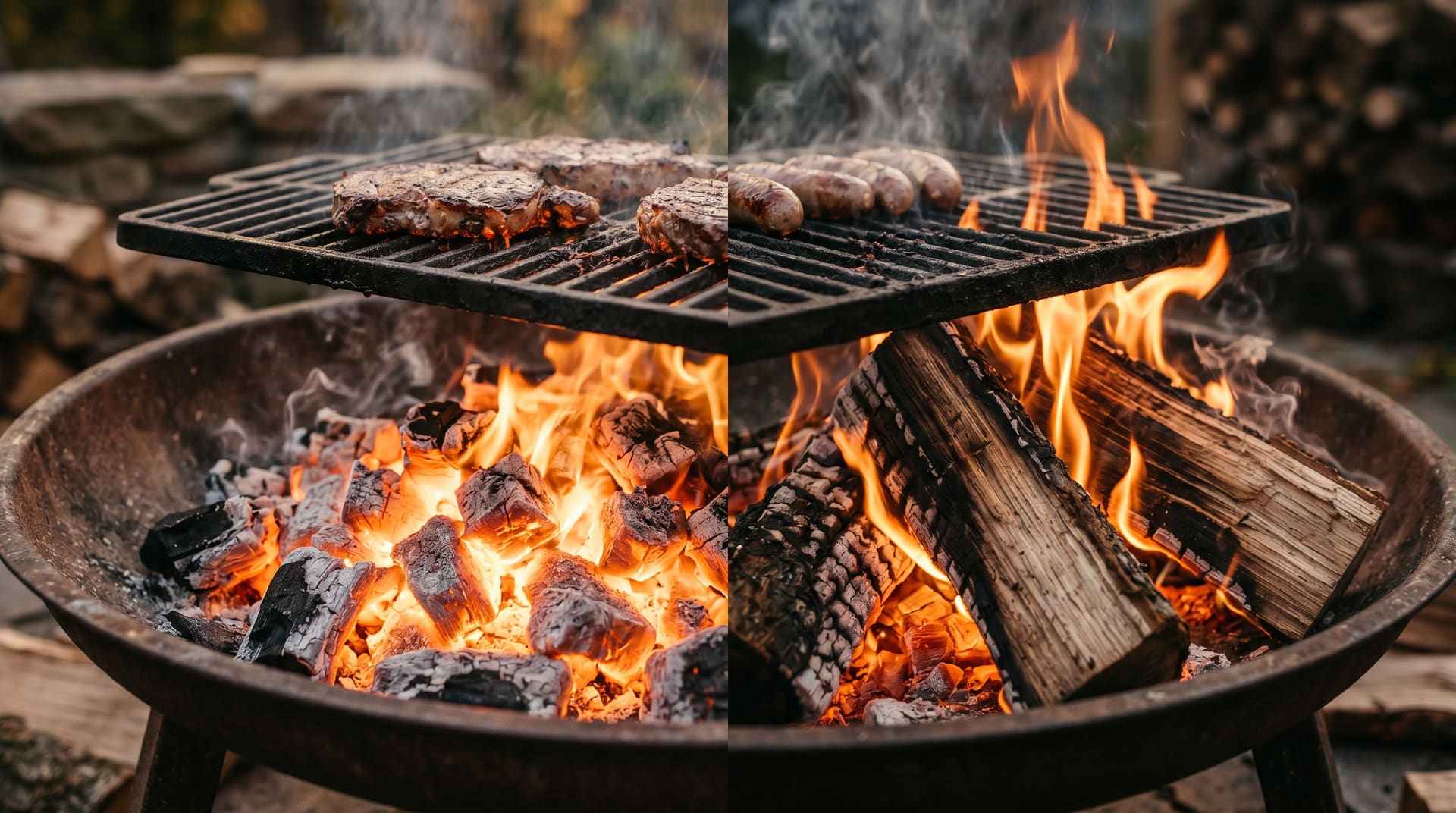
This is where dirty steak lives or dies. You need a bed of embers, not a fire. Flames deposit soot and cook unevenly. Embers give a clean, even, radiant heat.
Use hardwood or good lump charcoal, never briquettes, which are held together with binders you do not want on your food. Light a good-sized fire and let it burn for at least 45 minutes until the flames are gone and you have a deep, glowing bed with a light dusting of white ash on top.
Then, just before the steak goes on, fan the embers hard or blow on them. This is the trick. The white ash blows off, the coals underneath flare orange, and you are putting the meat onto clean, exposed fire. That is why the steak comes off clean. Ash that is already on the coals is what sticks; fresh, fanned embers grip the meat and give it nothing but heat.
The crust on a dirty steak is the crust every chef with a cast iron pan is trying to get and cannot. The fire does in two minutes what a pan cannot do in six, and it does it evenly. Once you have cooked one this way you will find it hard to go back to a grate.
- Cai
Ash on the plate. Always because the embers were not fanned before the meat went on, or because the fire still had unburnt wood in it. Burn it down fully, fan it hard, and the ash problem disappears.
Burnt outside, raw inside. Always because the steak was too thin or too cold. Four centimetres, room temperature, and it is close to impossible to get wrong. If you are nervous, cook it on the embers for a minute a side for the crust and then finish it in the cooler zone of the fire for a few minutes to bring the centre up.
Something sharp. A salsa verde, a chimichurri, a pile of charred spring onions with lemon. And the vegetables that suit the same treatment: a whole onion buried in the coals for forty minutes, or a leek blackened on the outside and sweet within. My guide to vegetables straight in the embers covers both.
We cook steak this way at events on the asado table, in front of guests, because it is theatre. If you would like to learn to do it yourself, it is one of the first things we teach at our fire cooking workshops.