Sustainability
Here is a fact that should be strange but somehow is not: Britain has around two million wild deer, the highest number for a thousand years, and the average British person eats almost no venison at all.
The whole country consumes roughly 4,000 to 5,000 tonnes a year. That sounds like a lot until you set it against beef, where the figure is closer to a million tonnes. Venison is a rounding error. And a good share of what we do eat is farmed or imported, not the wild animals that are stripping our woodlands bare.
I have spent most of my adult life stalking, butchering and cooking wild deer, so I have thought about this a lot. This is my honest attempt at why we got here, and why I think it is starting to change.
Around 350,000 deer are culled in Britain each year. Foresters, ecologists and the British Deer Society itself say that number needs to be closer to 750,000 to bring the population into balance with the landscape. Deer eat the understorey of a woodland, the young trees and the ground cover that everything else depends on, and at current densities they are preventing forests from regenerating at all.
Culling more deer means producing more venison. Roughly double. And the market for that venison, right now, does not exist. That is the whole problem in one sentence: the conservation case for eating deer is overwhelming, and the plates are empty.
I think there are four reasons, and none of them is a good one.
1. We forgot how. For most of British history, venison was food for the landowner and a poaching offence for everyone else. The deer forests belonged to the aristocracy and the meat belonged to their tables. Working people did not grow up eating it, and food culture is inherited. Britain never developed the everyday venison cookery that exists in Germany, Austria, Scandinavia and parts of France, where deer is just meat.
2. It is stuck in a category. Venison is sold as game, and game is sold as special. Expensive, seasonal, for a dinner party. A haunch of wild venison is often cheaper per kilo than a decent joint of beef, but it sits in a different aisle with a different price signal, and people walk past it.
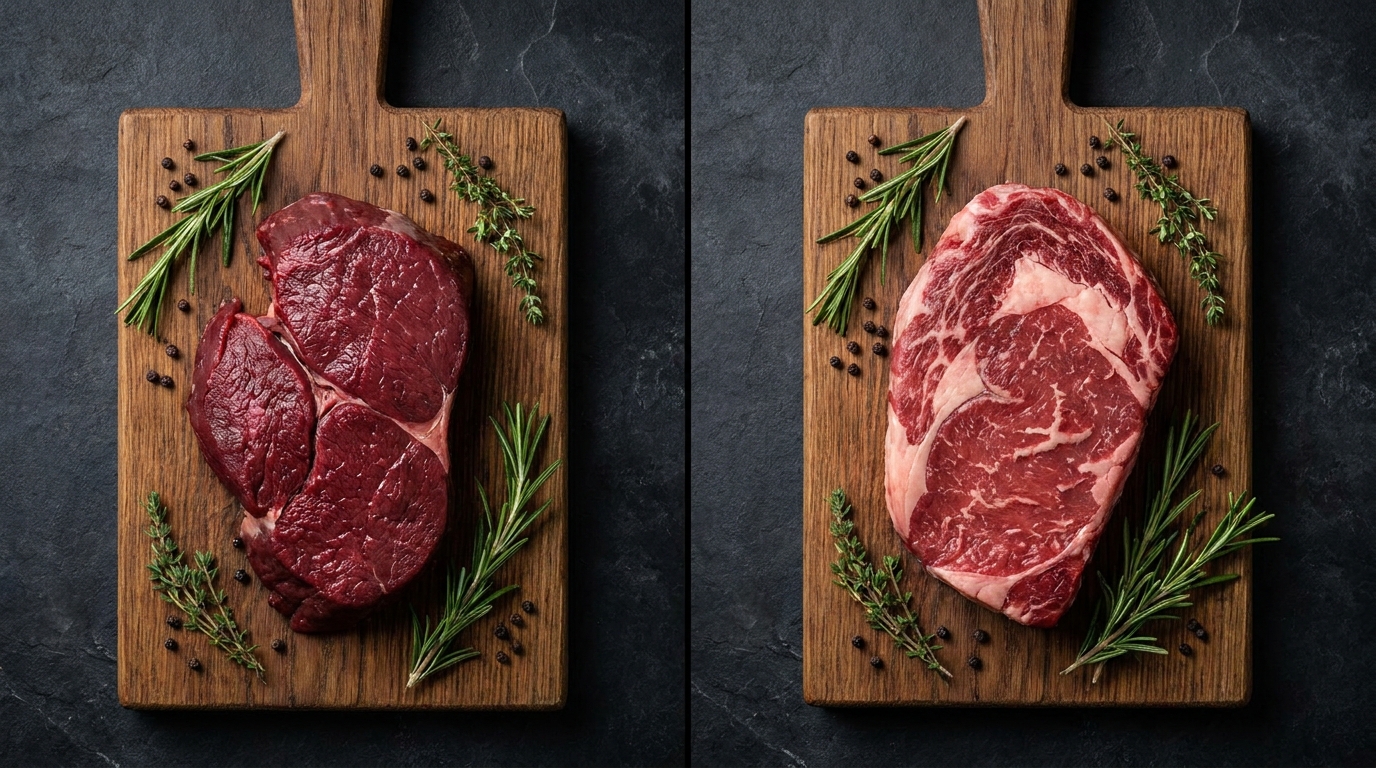
3. Nobody knows how to cook it. The single most common reason people give me for not buying venison is that they cooked it once and it was tough. It was tough because they cooked it like beef, and it is not beef. It is far leaner, and it wants to be cooked either very fast and pink or very slow and falling apart. Nothing in between. I have written a whole beginners guide to cooking venison at home for exactly this reason, and it is the most-read thing on this site by a distance.
4. The supply chain is fragmented. A stalker shoots a deer on a Tuesday. Getting that animal inspected, processed, and into a shop as a labelled, traceable product is a chain with a lot of small links, and until recently there was no common standard to tell a buyer that what they were getting was wild, British and properly handled.
When I tell people the venison on their plate was walking in a wood twenty miles away last week, that it lived entirely wild, that it was shot cleanly because there are too many of them, and that eating it is the most useful thing they can do for that woodland, something changes in how they eat it. The problem was never the meat. It was the story nobody told.
- Cai
Four things, and they are all recent.
A national standard. The British Quality Wild Venison scheme, developed by the Forestry Commission, Forestry England, Grown in Britain, the British Deer Society and others, now gives wild venison a mark that means something: wild, British, traceable, handled to a standard. It does for deer what assurance schemes did for beef and lamb a generation ago.
Public bodies buying it. Charities like The Country Food Trust are putting venison from managed culls into food banks and community kitchens. A Royal Parks cull that used to be an embarrassment is now a food story. There is a growing recognition in government that the deer problem and the food security question are the same conversation.
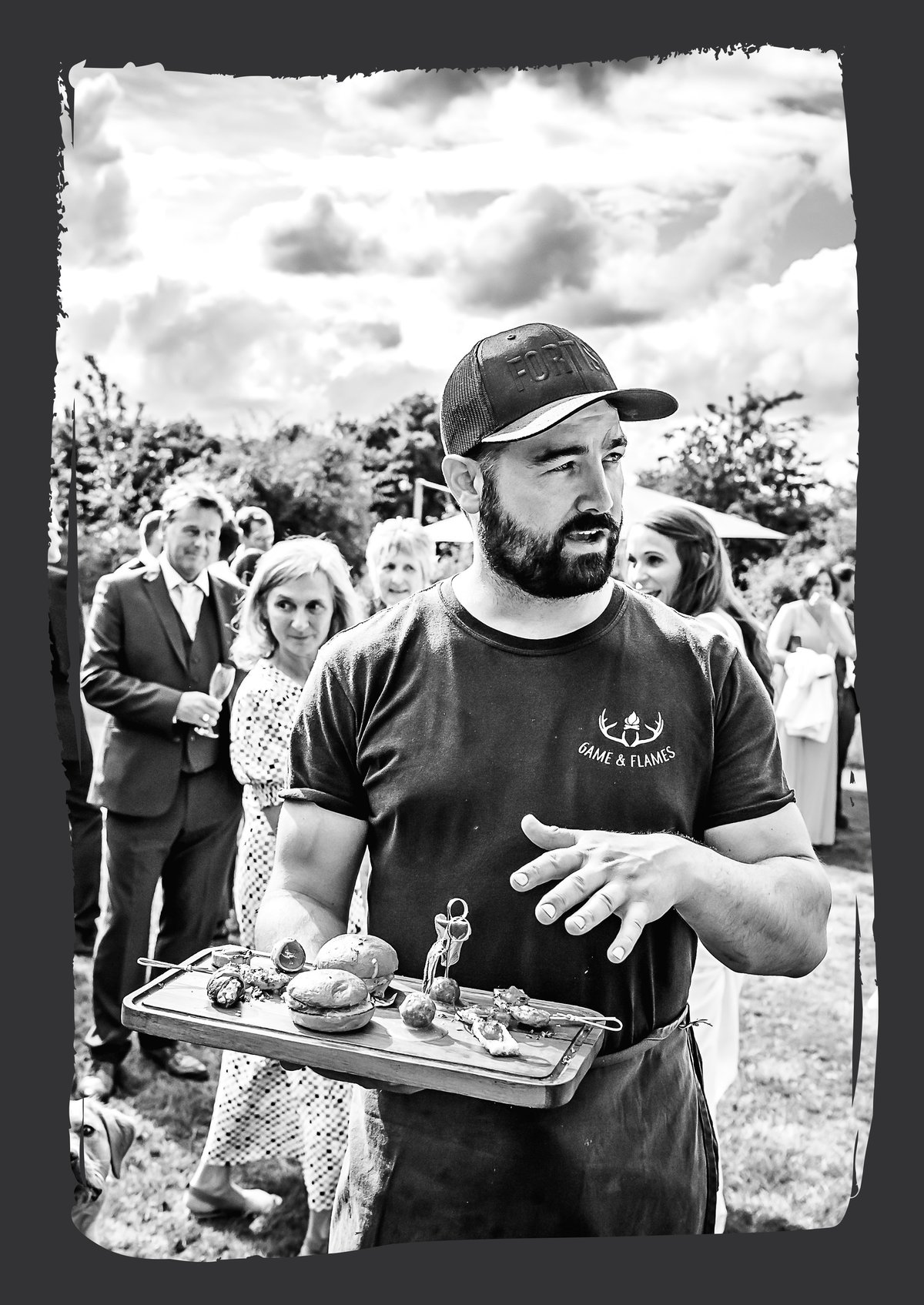
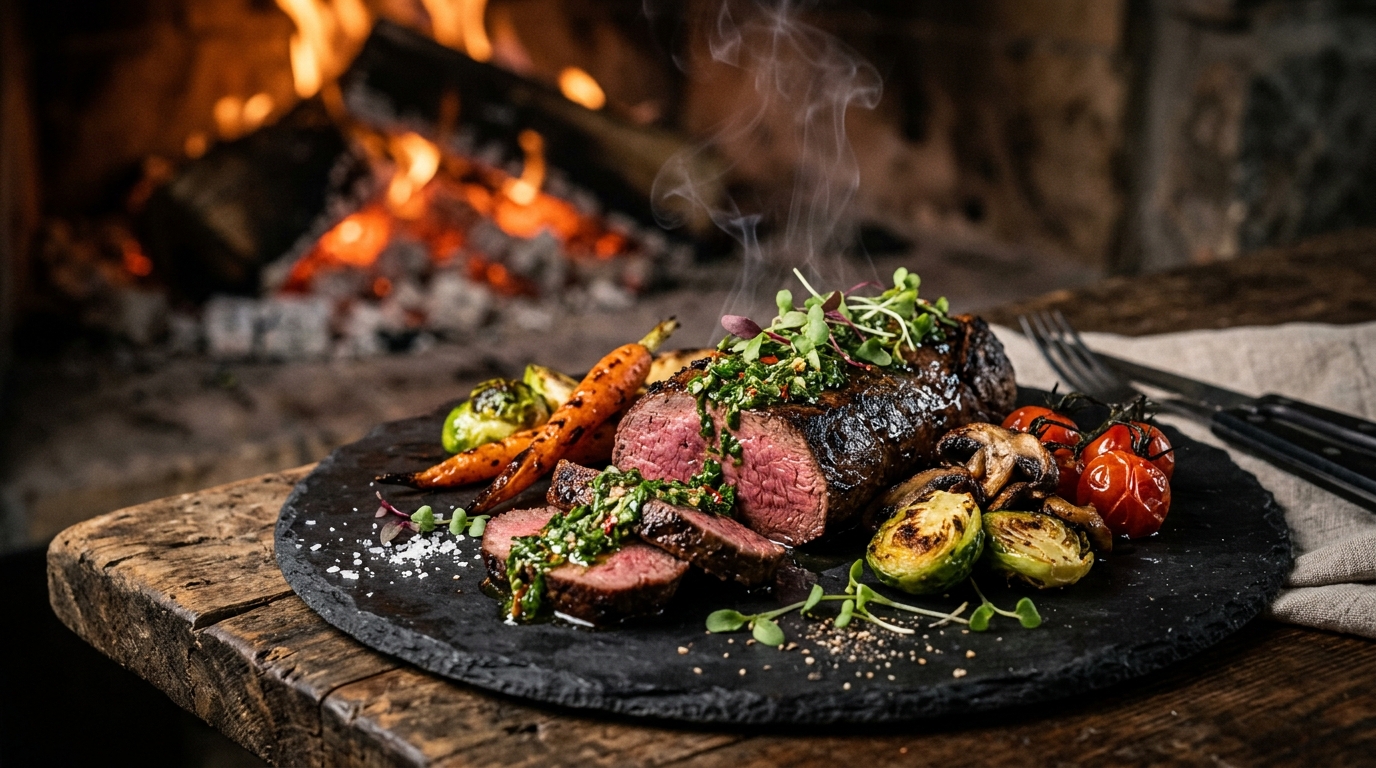
Chefs. The live-fire movement in restaurants, all that char and smoke and flame, has put whole animals and wild meat back on the menu in a way that feels new rather than fusty. Venison over oak is one of the dishes people now travel to eat. I like to think we have played a small part in that, one wedding at a time.
The internet. People search for how to cook venison in enormous numbers. That tells me the appetite is there. What was missing was the confidence, and that is a fixable problem.
Eat it. That is the whole answer. Buy wild British venison from a butcher or a stalker who can tell you where it came from, cook it pink or cook it slow, and tell someone else. Every kilo eaten is a kilo that justifies the next cull, and every cull is a woodland with a chance to regenerate.
If you would rather someone cooked it for you first, that is what we do. And if you want to go one further, learn to stalk it yourself. My beginners guide to deer stalking is where to start.